
Understanding the Different Types of Thermal Printers and Their Uses
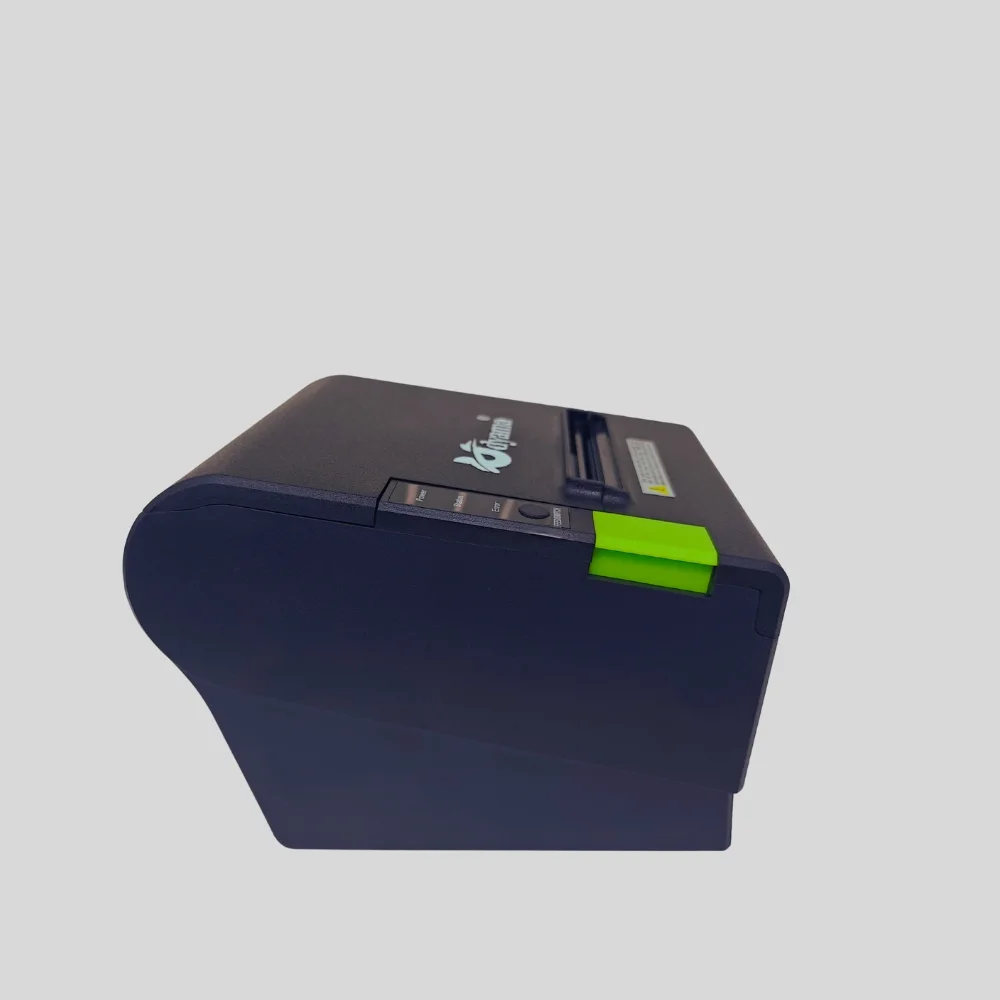
Printing is always the important key to business life, particularly in stores, restaurants and pharmacies, as well as warehouses and service counters. Whether it’s a customer bill or receipt, a label or barcode, businesses have to print quickly, accurately and with low maintenance. That’s where a thermal printer comes in handy.
Thermal printing differs from standard inkjet or laser printers by producing images and text with a small amount of heat. Heat can be used either to apply it directly to specially coated paper or to transfer it from a ribbon to another surface. Thermal printers are useful for high volume and quick turnaround printing.
What Is a Thermal Printer?
The content printed by a thermal printer is created through thermal printing rather than ink cartridges or toner. In 2D direct thermal printing, the print head is applied to specially treated paper, which turns dark when heated. This process eliminates the need for ink or ribbons and makes the printer relatively easy to operate.
Thermal printer machine can be used for many applications such as receipts, tickets, labels, invoices and bar code printing etc. The small size, speed, and relatively low maintenance make it a good choice for businesses where the pace of printing is a key consideration.
Main Types of Thermal Printers
Thermal printers can be categorized broadly into different types in terms of the technology they employ and the use or purpose on which they are used. Businesses can find it easier to choose equipment when they know these classifications.
1. Direct Thermal Printers
Heat-sensitive paper is the medium upon which direct thermal printers work. The print head selectively heats the paper to form text, numbers, graphics, or bar codes.
This process does not need any inks or ribbon and is cost-effective and convenient for companies. Direct thermal printing is most frequently employed for receipts, tickets, shipping labels and other items that do not require long term storage.
An issue with direct thermal printing is that prints can fade over time when exposed to heat, sunlight, and the like. This makes them more suitable for short-term printing applications in general.
2. Thermal Transfer Printers
This is the difference with thermal transfer printing. The print head will heat a ribbon that has wax or resin in it rather than heating the paper directly. The material is transferred to the surface to be printed onto, or the label.
Direct thermal prints are often less durable for heat, moisture, and fading than the resulting prints. Thus thermal transfer technology is applicable for product identification, barcode labels, stock control and applications where the printed information must be legible for extended periods.
Different Thermal Printer Formats
Thermal printers can also come in various sizes and styles depending on the location and application.
Desktop Thermal Printers
For fixed workstation areas like billing areas, office areas, restaurants, retail counters, etc., desktop models are designed. A thermal printing machine for shop can assist businesses to create customer bills and receipts swiftly without taking up too much counter space.
These printers are especially effective for places where many transactions are swiped throughout the day. Some models are also available with USB/Ethernet/wifi/Bluetooth connectivity, making integration with POS systems easier.
Portable Thermal Printers
A portable printer is meant for companies and professionals who require to print away from a stationary workstation. They can be tiny machines with rechargeable batteries and wireless connectivity and can create receipts, ticket, invoices or labels on the go, moving from one location to the next.
This kind of printer can be beneficial for delivery/businesses, mobile vendors, field-service workers, and event businesses.
Small and Mini Thermal Printers
A small thermal printer is best where space for a printer is restricted. They will operate on small retailers, kiosks, counters, and compact offices, without requiring much space for printing equipment.
A mini thermal printer takes the compact printing one step further. It is quite suitable for the mobile use or companies that need to print on a smaller scale. They are compact, yet they can still achieve the speed and convenience needed to receive and print receipts routinely.
Receipt and POS Printing
Point of sale billing is one of the most popular uses in thermal technology. A thermal receipt printer will print customer bills without using the ink cartridge or toner, quickly. During peak times, fast printing can help minimise queues, while during routine checkout, it can help run the checkouts more smoothly.
A receipt printer can also be connected with the point-of-sale software and other company devices. Connectivity options can range from USB to Ethernet, Wi-Fi, or Bluetooth. Therefore, it is imperative that businesses test compatibility before buying a printer.
What Is a Heat Printer?
Printing devices are often referred to as heat printer, because the printing process relies heavily on heat. They are recognised for their quietness, speed, small size, and simplicity in maintenance.
Direct thermal models don’t need any ink or toner, which helps companies save on the handling of consumables. Yet they still have to buy the compatible thermal paper or other suitable media.
Selecting the Right Thermal Printer
In addition to the requisite purchase of the thermal printer, the company should consider how much it prints, the type of media it requires, space constraints, connection to current point of sale or billing software, print speed, durability, and compatibility of the equipment with the existing point of sale or billing program.
If you’re using the same retail counter, a desktop receipt printer might be a good choice. For small and mobile businesses a compact portable model could be suitable. In other operations, such as those involving product labels or long-wearing barcodes, thermal transfer is in use.
Paper width and print resolution are also factors to be taken into account. Preventing compatibility problems and boosting overall efficiency can be achieved by selecting the appropriate model based on the dimensions of the receipt or label needed.
Final Thoughts
The thermal printing technology provides the business with a combination of speed, convenience, minimization in size and low maintenance in operation. There are various label press types to suit different business needs, such as desktop receipt printers, label printers, and portable models.
These are just a few of the different types of portable mini thermal printer, and knowing the difference could help you make a smarter purchase decision, whether you’re looking for a high-volume bill printer or a mobile option. With the right model and compatible printing media, businesses can reduce the hassle of daily printing and maintain billing and business operations smoothly.
